The Difference Between a Cold Case and a Missing Person Case: A Clear Comparison
A report of a woman who vanished after leaving a bus station at 9pm, and a homicide file that has sat in a cabinet for eleven years, can look almost identical in a short news item. Both are open. Both involve a family waiting. Both produce the same line from a press office: no further information at this time. Underneath that similarity, they are governed by different questions, different clocks, and — importantly — different rules about what can be released to the public.
Two Labels, Two Different Questions
A cold case begins with a crime. Something happened that the law defines as an offence: a killing, an assault, an arson, sometimes a disappearance with clear evidence of foul play. Investigators know, or strongly suspect, that a crime occurred. What they lack is a viable line of enquiry — a suspect they can charge, a witness who will testify, a piece of forensic evidence that can be tied to a named person. The file stays open, often for decades, and is periodically reviewed.
A missing person case begins with an absence. There may be no crime at all. Most missing people are found alive, and many of them left for reasons of their own — a relationship ending, a debt, a mental health crisis, a decision to start again somewhere else. The central question is not who did this but where is this person, and are they safe. In most legal systems the working assumption is that the person is alive until there is reason to think otherwise, which is why searches, appeals and media coverage take priority over suspect identification.
Put simply: a cold case is a who with no answer. A missing person case is a where with no answer. When a disappearance shows signs of violence, the two merge — and then both sets of rules apply at once.
"Cold" Describes the Leads, Not the Calendar
There is no universal number of years after which a case becomes cold. Some agencies have formal review schedules; others use the word loosely for anything that has stopped moving. A file can go cold in six weeks if every lead has been run down, and it can stay warm for twenty years if a detective keeps chipping at it.
This matters for readers of true crime coverage. A case described as cold has usually not been closed, dismissed or forgotten by the families involved; it has simply run out of things to do next. Confusing "cold" with "concluded" is one of the most common mistakes in public discussion of old investigations.
The Evidence Problem Looks Nothing Alike
In a cold case, the physical evidence already exists. The difficulty is that it has been sitting somewhere for a long time.
- Biological samples degrade, and packaging from the 1980s or 1990s may not have been designed to preserve them.
- Property rooms get flooded, moved or re-organised; items are occasionally mislabelled or lost.
- Chain of custody must be provable, or a lab result may be useless in court.
- Witnesses move, age, die, or simply stop being certain of what they saw.
- Re-testing requires lab capacity and money, and old items may be consumed in the process.
The scene itself is long gone, but the record of it survives — photographs, sketches, statements, an autopsy report. Cold case work is largely archival work with forensic punctuation.
A missing person case is the opposite. There is often no scene, no body, no sample. The evidence is the texture of an ordinary life: phone location data, bank card use, transport records, a doorbell camera three streets away, a message sent at 11:42pm. That evidence is perishable. Camera footage overwrites itself in days or weeks; transaction records and phone data require formal requests that take time; a scent trail is gone within hours. The most useful information is usually gathered in the first 48 hours, which is why "wait 24 hours before reporting" is bad advice in most places — report immediately and let the agency decide what it needs.
Different Clocks, Different Pressures
Missing person work is time-critical because a living person can still be found. Searches are organised by hours, appeals go out fast, and investigators will accept a degree of publicity risk to reach the person before something worse happens.
Cold case work runs on a slower rhythm. Reviews are scheduled, sometimes annually; funding comes in grants or in dedicated units; a single new forensic result can restart a file that has been quiet for a decade. The pressure is not to find someone tonight but to keep the file capable of being solved when the next piece arrives.
For a family, these rhythms feel very different. One is a countdown. The other is a silence with occasional letters.
What the Public Is Allowed to Know
Public information rules diverge sharply, and this is where most confusion arises.
Missing person cases
Publicity is a tool. Agencies release photographs, the last confirmed sighting time and place, clothing descriptions, vehicle details, and sometimes information about medical needs or a person's state of mind. Families often drive the campaign themselves, and coordination with police matters: conflicting details produce false sightings, and false sightings consume hours that could be spent elsewhere. There is also a privacy tension when an adult has left deliberately and does not wish to be located — many agencies will confirm the person is safe without revealing where they are.
Cold cases
Urgency is lower, and disclosure is more deliberate. Investigators routinely hold back a detail that only the offender could know — the position of an item, a phrase used, something missing from the scene — precisely so that a confession or a tip can be tested against it. Releasing that detail publicly can ruin it permanently and can also contaminate the memories of genuine witnesses who read about it afterwards.
Appeals in cold cases tend to be timed rather than immediate: an anniversary, a new forensic result, a change in leadership, a reward announcement. Documents from an open investigation are commonly restricted, though the rules vary widely between countries and even between agencies — if you need to know what applies in a specific case, ask the relevant authority or a lawyer rather than relying on general descriptions.
Where the Two Categories Overlap
A missing person investigation becomes a criminal case the moment evidence of foul play appears, and it can later go cold as a combined file. These cases are the hardest to read from outside, because the publicity side and the investigative side move in opposite directions: the family keeps the appeal alive for years, while investigators say almost nothing at all.
A useful habit is to check, before drawing conclusions, which kind of case you are looking at. Ask whether a crime is alleged, whether the file is open, and when it was last reviewed. A lack of headlines is not evidence that nothing is happening.
Practical Takeaways
For readers and researchers: treat "cold case" and "missing person" as different technical labels with different reporting conventions. Note the date of the last official update; a five-year-old appeal quoted as current is a common source of error.
For families: keep one point of contact with the agency and a written log of every conversation, dated, with names. Ask directly what is being withheld and why, and ask when the file is next scheduled for review. In a missing person case, submit the person's digital footprint — accounts, devices, routines, the names they used — early, while that trail is still retrievable. In an older case, ask which items of physical evidence still exist and whether they have been re-examined with current methods.
Where a case may lead to a prosecution, an inquest, or a dispute over records, take advice from a qualified lawyer in your jurisdiction. The general shape of these rules travels well; the specifics do not.
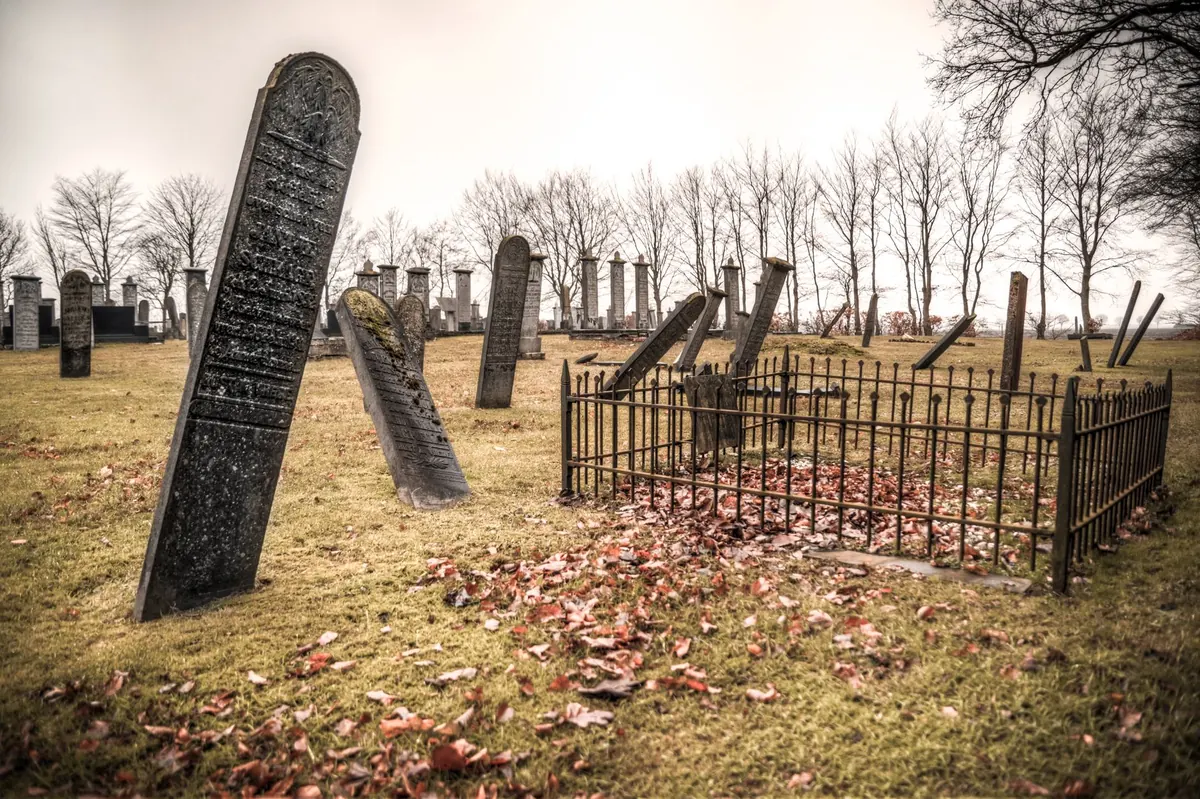
Photo: StockSnap / Pixabay