Primary vs. Secondary Sources in Historical Mysteries: What to Trust First
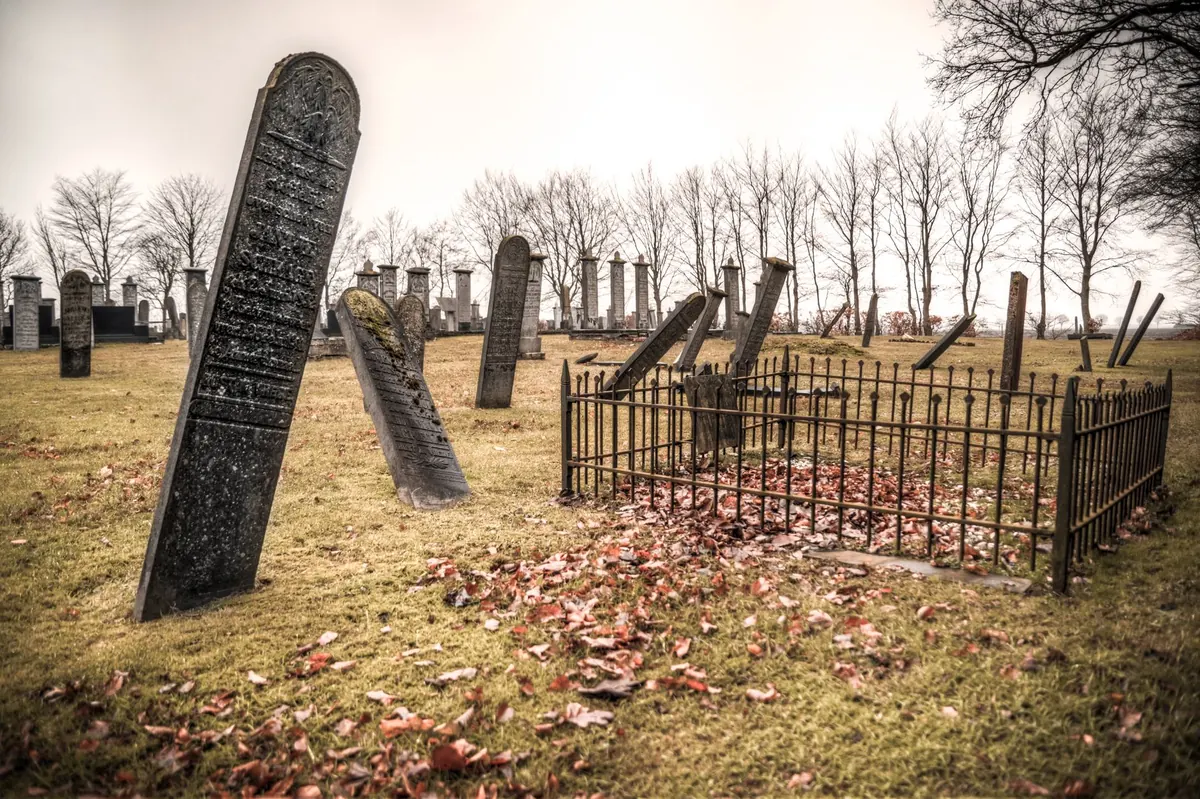
Suppose two documents land on your desk about the same death. One is a burial entry in a parish register, written three days after a body was pulled from the river in 1878; the ink is fading and the curate's hand is cramped. The other is a confident county history from 1911 that names the man, supplies a motive, and mentions a ghost. They disagree about his age, his trade and the colour of his coat. Which do you trust first?
The register — not because it is right, but because of what it is: a record made close to the event, by someone with access to it. Everything else follows from that distinction, and most of the errors in mystery research come from getting it backwards.
What Actually Separates Primary from Secondary
A primary source is created in or near the moment it describes, by someone who was there or who was keeping the record as part of the job. A secondary source is made later, at a distance, out of other sources. That is the whole test. Format has nothing to do with it. A photograph can be primary. A leather-bound, beautifully printed history is still secondary, however many footnotes it carries.
The line is a matter of degrees, not a switch. A coroner's inquest report printed in a newspaper is a report of a primary event — useful, and often the only surviving trace — but it has passed through a reporter, a sub-editor and a compositor before it reached you.
There is a third category worth naming, because it catches people out: finding aids. Indexes, catalogues, archive lists and database results help you locate evidence without being evidence. An entry reading "John Smith, 42, labourer" is a pointer. The page image behind it, with the household, the neighbours and the enumerator's corrections, is the thing you actually want.
Primary Does Not Mean True
Bones are primary objects. The Piltdown remains were primary objects too, and they were assembled by a hoaxer. Age and proximity give a source a head start; they do not give it a halo.
Records mislead in ordinary, human ways. A will follows a formula, and the formula can flatten a messy family into something tidy. A witness statement is shaped by the questions the clerk chose to ask. A promotional pamphlet about a new spa town was produced by someone selling plots of land. All three are primary, and all three can send you the wrong way.
So the better question is not "is this primary?" but "what did this document have a reason to get right?" A tax roll had strong reasons to record acreage and the names of tenants; it had almost no reason to record nicknames or ages correctly. A soldier's letter home had a reason to reassure. Start asking what the record was for, and the errors stop looking random.
Where Secondary Sources Earn Their Keep
None of this makes secondary sources dispensable. Without them you would spend three weeks discovering that the parish you want sits in a different diocese than you assumed.
A good local history or scholarly monograph does work you cannot easily repeat. It tells you which years of which series survive and where they are held. It explains what a coroner actually did in 1840, what "cottage" meant in a manorial survey, whether the river flooded that spring. It gives you the vocabulary to read the original correctly.
Two further jobs are worth knowing. A secondary work may quote a document that has since been lost, destroyed or closed to researchers; it is then your only witness, so treat it as evidence with caution and copy the citation exactly as given. And compiling later accounts is how you date a legend. If every version of a story leads back to one book from 1932, you have learned something more valuable than any of the retellings.
Following the Footnote Chain Backwards
Most mystery claims arrive with a citation trail that looks more solid than it is. Reading it backwards takes ten minutes and saves months.
- Write the claim down in one plain sentence, with names and dates.
- Copy the citation given by the newest account, then the citation inside that source, and keep going.
- Stop when a "source" turns out to be another retelling. That is where the trail currently ends.
- Identify the earliest version and its date. Everything after it is repetition, not corroboration.
- Ask what that earliest source could possibly have known, and who told them.
- Then go looking for surviving originals, or honest copies of them, in an archive catalogue.
Watch for the phrases that mark a missing link: "it is said", "local tradition holds", "reportedly", "according to an old account". They are not lies. They are usually an honest writer admitting that the trail ran out — which is exactly where your work begins.
Reading a Record Against Its Own Purpose
Once you have an original, read it as an artefact before you read it as information. Ask who made it, when, for whom, and what they had access to.
- Date conventions shift. Old Style and New Style, Julian and Gregorian, Lady Day as the start of the year — a date that looks wrong by eleven days may simply be recorded differently.
- Places move. Parishes were reorganised, counties renamed, hamlets absorbed. A place name in a 1780 deed may not exist on a modern map.
- Copies drift. A transcription, a translation, a microfilm and an OCR scan are each one step further from the page. Note which one you are holding.
- Images beat indexes. If a page image exists, look at it, including the margins and the additions in a second hand.
Keep a source log, even if you are the only reader: repository, reference number, date consulted, and one line on what the document actually says. Future you will not remember which box the useful bundle came from, and neither will anyone checking your work.
When the Two Disagree
They usually disagree because they are answering different questions. A register may say 34, a later history 41, a gravestone something else again. Rather than pick a favourite, weigh them: prefer the source created closest to the event, by someone with a reason to be accurate, with the fewest retellings in between. Then look for a third source of a different type — a probate inventory, a newspaper, a removal order, a photograph — to break the tie. Three weak sources that depend on each other are one source. Two independent ones are a case.
A Short Routine Before You Trust a Claim
Find the earliest version. Read the original if it survives, and the page image if one exists. Ask what the record was for. Say the gaps out loud, and keep the citation. Then write your account so a reader can see which parts rest on documents and which rest on somebody's memory of a document.Photo: Black_Sea / Pixabay